











Understanding Surface Detection Methods in Subsea Recovery Beacons
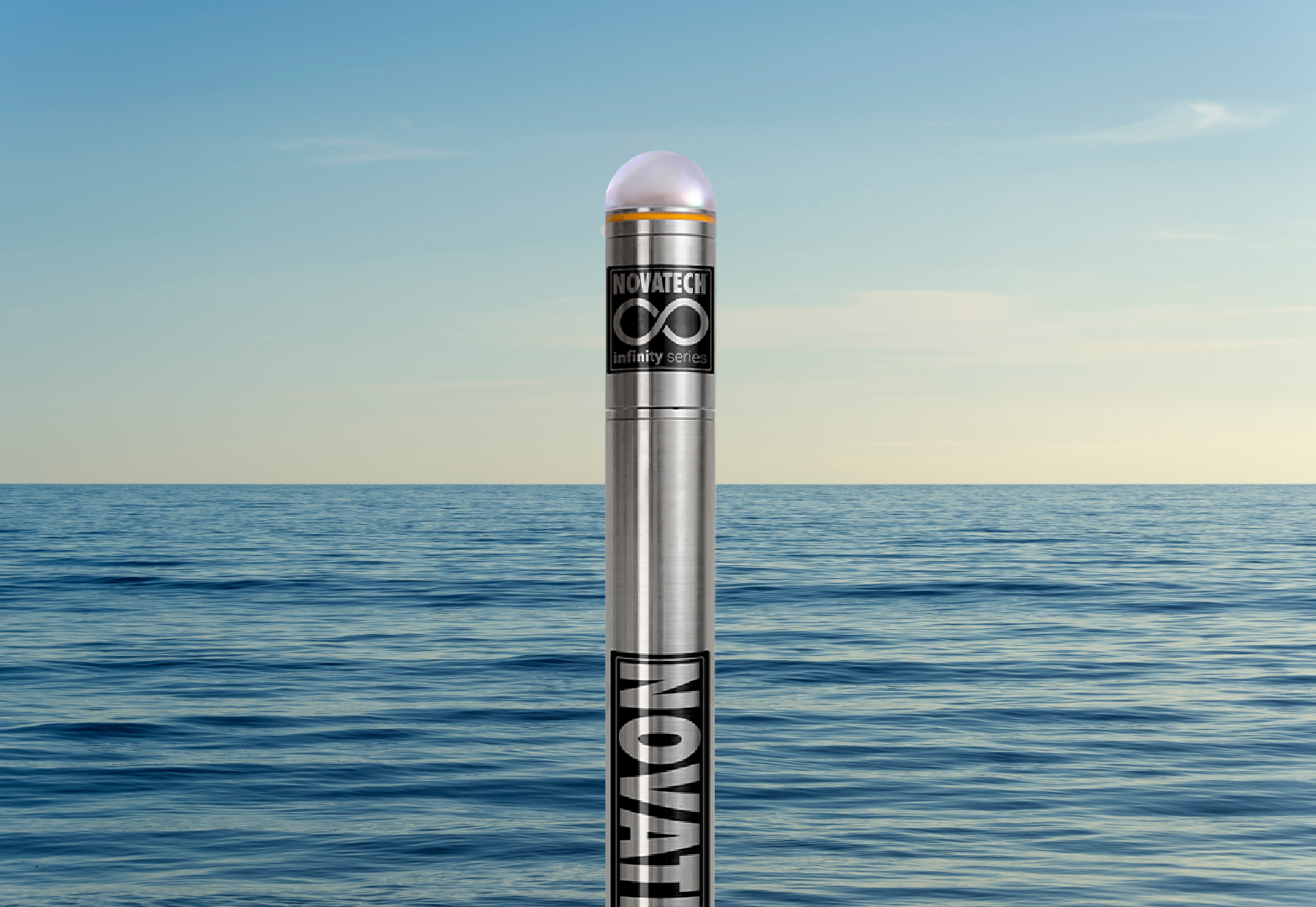
Recovering subsea equipment depends on one critical moment: knowing when an asset has reached the surface. In ocean environments where conditions are unpredictable and often harsh, surface detection is not always straightforward.
While most locator beacons rely on a single detection method, the Infinity-iF stands apart by offering configurable redundancy with multiple detection techniques. Each method operates on a different physical principle, with its own strengths and trade-offs. By combining them, the Infinity-iF provides a more dependable approach to surface alerting across a wide range of real-world conditions.
Why surface detection matters
Surface detection is the trigger that initiates key recovery functions, such as satellite transmission and visual signaling. If a beacon fails to recognize that it has surfaced, it may not activate communications or flashing systems, delaying or even preventing recovery.
Factors like biofouling, turbulence, debris, or partial submersion can all interfere with detection. These factors can introduce risk when relying on a single sensing method.
Popular surface detection methods
Conductivity Sensing
Conductivity-based detection works by measuring the electrical connection between a sensing element and the beacon’s body. When submerged, the conductive seawater creates a closed circuit. When the device reaches the surface and exits the water, that circuit is broken.
Advantages:
- Extremely low power consumption
- Simple and effective in clean conditions
Limitations:
- Susceptible to biofouling, as marine growth or debris can maintain a conductive path even at the surface
This method is often valued for its efficiency, but its performance can degrade over long deployments or in warmer, more biologically active environments.
Capacitance Sensing
Capacitance detection measures changes in the electrical field around an internal electrode. Water and air have different dielectric properties, so the system can detect whether it is submerged or exposed based on how capacitance shifts.
Advantages:
- More resistance to external contamination
- Internal electrode design reduces exposure to biofouling
- More stable over extended deployments
Limitations:
- Higher power consumption when compared to conductivity methods
- May require more calibration depending on deployment conditions
Because the sensing element is protected within the device, capacitance-based systems tend to be more robust in environments where fouling or debris is a concern.
GNSS (GPS) Detection
GNSS-based detection relies on satellite signal acquisition. Since satellite signals do not penetrate water, a device that successfully receives a GNSS fix can confidently determine that it is at the surface.
Advantages:
- Highly reliable indicator of surfacing
- Not affected by fouling, salinity or water conductivity
- Provides immediate positioning data upon detection
Limitations:
- Highest power consumption of the three methods
- Requires pre-determined periodic signal checking
This approach is often considered the most definitive methos, as it directly confirms exposure to open sky rather than inferring from environmental properties.
The value of redundancy
Each detection method has strengths, but also specific limitations. Conductivity sensing may struggle with biofouling, capacitance requires more power, and GNSS checks can be energy intensive. This is where redundancy becomes essential.
The Infinity-iF incorporates all three detection methods and allows users to use them independently or in combination by configuring how often each one checks for a surface condition. By pairing complementary approaches, the system can balance power efficiency with reliability across a range of deployment scenarios.
For example, a low-power conductivity sensor may run a surfacing check every five minutes, while GNSS checks occur less frequently, such as every 12 hours. This allows routine monitoring to be handled efficiently, while GNSS provides a reliable backup if environmental factors affect the primary method.
This layered approach reduces the risk of missed surface detections or false readings, especially in long, challenging ocean deployments.
Enhancing recovery outcomes
Surface detection is a small but essential part of ocean recovery operations. Understanding how different sensing methods work, and where they can fall short, helps inform better deployment strategies and equipment selection.
No single sensing method can account for every condition. Rough seas, partial submission, and marine growth can all affect performance. By combining multiple detection techniques, the Infinity-iF can operate efficiently without relying on a single point of failure.
As subsea operations move into deeper and more challenging environments, this type of redundant design is essential in ensuring consistent and dependable recovery outcomes.
